Digital Marketing BlogTechnical SEO Optimisation: An Up-to-Date Guide for Small Businesses [2026]
 Technical SEO Optimisation: An Up-to-Date Guide for Small Businesses [2026]
Technical SEO is the backbone of your website’s visibility and long-term search performance. For small businesses, getting the technical details right opens the door to stronger organic rankings, faster site experience, and a competitive edge.
Before jumping in, make sure you check out our Complete Technical SEO Framework for Professional Services. You may also want to work through our website audit checklist to get a clear picture of where your site stands today.

In this article
What is Technical SEO?
Technical SEO involves optimising your website’s infrastructure so search engines can easily crawl, index, and understand your pages. When done properly, it ensures your content and backlinks can deliver their full impact.
For small businesses, ensuring a well-optimised site can mean the difference between ranking high in search engine results or being buried by competitors. Technical SEO is not just for large enterprises – getting it right can provide smaller sites with an important competitive advantage.
Common Technical SEO Issues
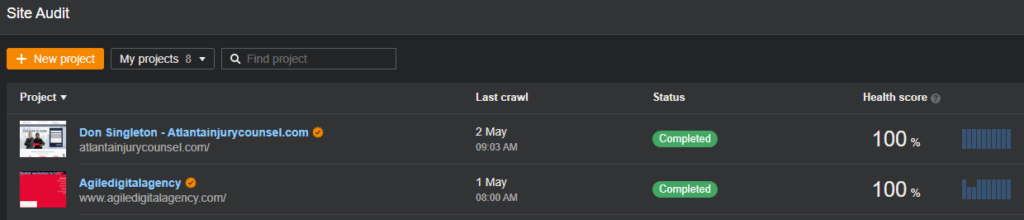
The following are some common technical SEO issues that can negatively affect a website’s search engine ranking, with steps for ensuring your website is technically optimised:
1. Slow Page Speed
A sluggish website frustrates users and suffers in search rankings. Regularly test your site with tools like Google PageSpeed Insights and GTmetrix. Address slow server response, unoptimised images, and render-blocking scripts. For a thorough breakdown of what performance means for your site and business, read our website performance guide. Consider upgrading your hosting if your site consistently loads slowly.
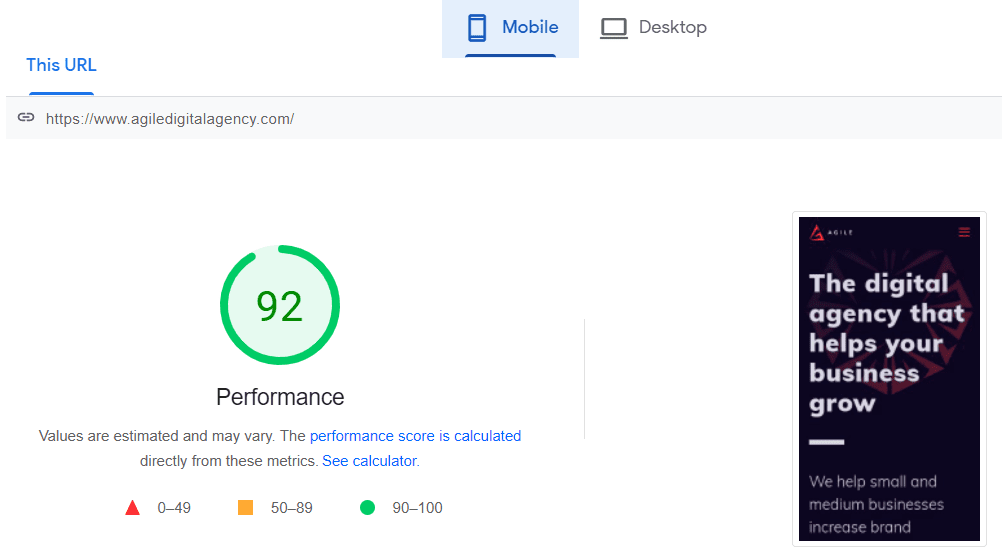
You can use these tools to get reports about areas where you can improve your web performance.
If you own a WordPress website, ensuring it runs on the latest version is essential. As WordPress consistently introduces new features and enhances security, keeping your site updated becomes important. Updating your WordPress site is a straightforward process but we recommend hiring an experienced WordPress Agency to handle it on your behalf.
2. Mobile Usability
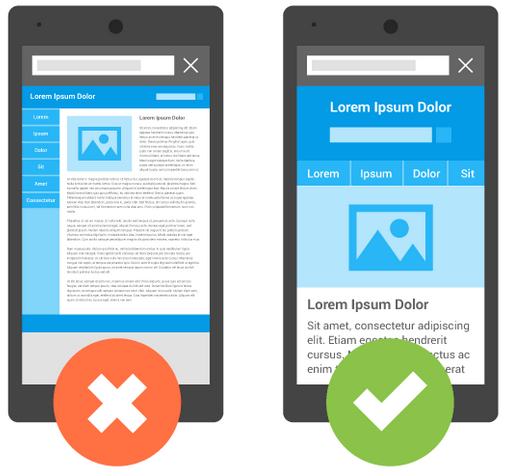
Most web traffic is now mobile. Your site must be fully responsive and fast on all devices. Use Google’s Mobile-Friendly Test to spot and correct problems. Implement responsive design, avoid intrusive interstitials, and optimise touch elements.

3. Duplicate Content and Canonicalisation
Duplicate content can arise from multiple URL variations (e.g., www vs non-www, HTTP vs HTTPS) or similar content blocks across your site. Always:
- Pick a preferred domain version (e.g., https://www.yoursite.com), enforce it with 301 redirects, and set the canonical domain in Google Search Console.
- Use canonical tags to signal the authoritative page version.
- Audit for repeated content and consolidate similar pages.
4. Broken Links and Errors
Broken links hinder both user journey and search crawling. Audit routinely with Screaming Frog or Google Search Console, and fix or remove broken links promptly.
5. Server and Security Issues
Website downtime and security vulnerabilities damage search visibility. Ensure your hosting is stable, use HTTPS throughout, and maintain updated plugins and themes. Schedule regular security scans and back up your website at least weekly.
Updated Technical SEO Best Practices
Here are key steps for ensuring your website is technically optimised:
1. Consistent Domains & URLs
Decide on a single version of your domain and ensure all others redirect to it. Use only lowercase in URLs, hyphens to separate words, and keep them concise and descriptive.
2. Clear Site Structure
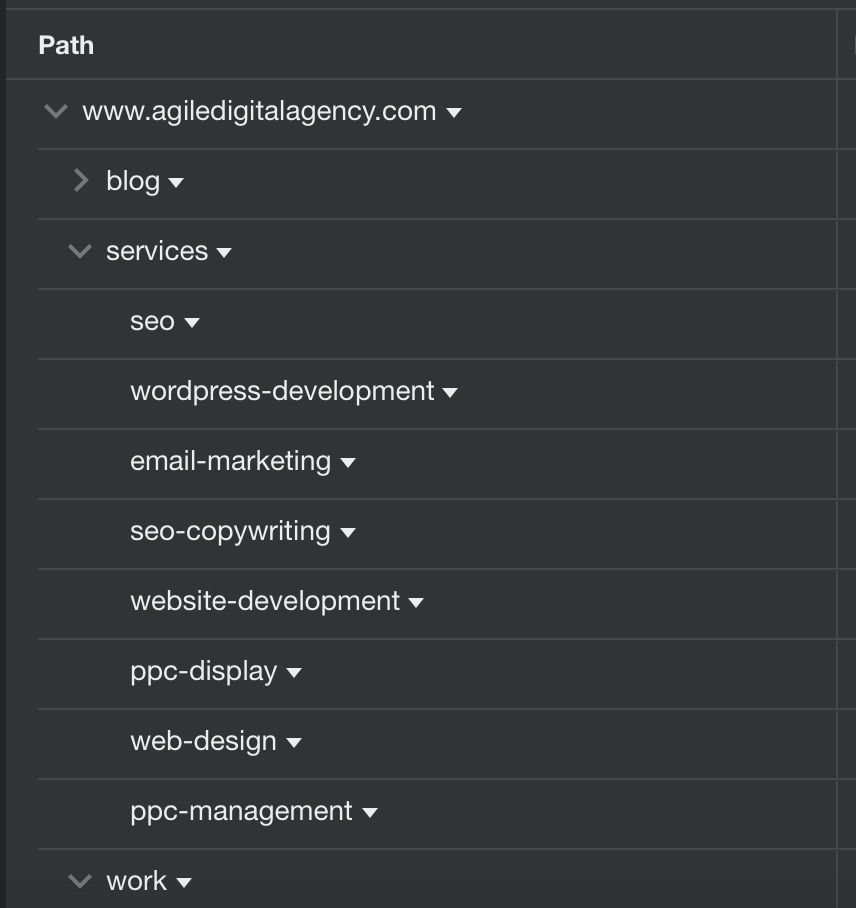
Map out an intuitive hierarchy using logical categories and internal links. Ensure every page is accessible within three clicks from the homepage.
3. Make Your Site Accessible to Search Engines
Maintain an up-to-date robots.txt file to manage crawler access.
Submit sitemaps to Google Search Console and Bing Webmaster Tools.
Check indexing status and address any discovered issues in Search Console.
Read also How to submit your sitemap to Google and other search engines.
4. Fix Broken Links
Using website crawlers like Screaming Frog or Xenu can help small businesses identify and fix broken links promptly.
5. Select Adequate Keywords
Keyword research is important for SEO success. Use relevant keywords and phrases strategically in your website’s content and titles to attract targeted organic traffic.
6. Remove Duplicate Content
Identify and remove duplicate content to avoid SEO penalties. Regularly audit your website for duplication issues and take corrective actions promptly.
7. Ensure a Responsive Website
In a mobile-centric era, optimising your website for mobile devices is no longer optional but imperative. A mobile-friendly site is the cornerstone of mobile search engine ranking success. Google’s mobile-first indexing prioritises mobile-optimised sites, making mobile optimisation non-negotiable for SEO success.
8. Optimise Images
Optimising images is essential for faster loading times. Use compressed and appropriately sized images while incorporating relevant keywords in file names, alt text, and title tags to improve search engine visibility.
Tools like iloveimg.com can be important in properly optimising photos. Take into consideration adopting new image formats like WebP or AVIF, and establish an image CDN (Content Delivery Network) to further optimise performance.
Bonus: If you are interested in learning how to use images to drive more traffic to your website or improve screen reader accessibility, you should listen to this insightful Search Off the Record podcast. In it, you will find out about Googlebot’s frequency of image crawling, how to improve page visibility through image search, and how to optimise alt text for better image accessibility.
Read also: W3C – How to use the alt attribute of the IMG element in various situations
9. Enhance your Core Web Vitals
Core Web Vitals are Google’s page-experience signals that directly influence search rankings. The three current metrics you need to hit in 2026 are:
- Largest Contentful Paint (LCP) – how quickly your page’s main content renders. Target: ≤2.5 seconds.
- Interaction to Next Paint (INP) – how fast your page responds to every user interaction: clicks, taps, and key presses. Target: ≤200ms. INP replaced First Input Delay (FID) in March 2024 and is a stricter, more complete measure of interactivity across the full page lifecycle.
- Cumulative Layout Shift (CLS) – visual stability as the page loads. Target: ≤0.1.
For a full breakdown of what drives each metric and step-by-step fixes, read our Core Web Vitals explained guide. If you run a B2B site, our website performance guide for B2B businesses goes deeper on the optimisations that matter most for professional services websites.
We haven’t experienced any drop on the website traffic, on the contrary the organic traffic increased, the quality of leads has improved as well. Web core vitals reached the score of 99 out of max 100.
Marketing Director – Software Solutions Company in Germany
10. Utilise Schema Markup and Rich Snippets
Schema markup is structured data – added to your pages in JSON-LD format – that tells search engines and AI engines exactly what your content means, not just what it says. In 2026, it serves a dual purpose: generating rich snippets in traditional search results and helping AI platforms (Google AI Overviews, ChatGPT, Perplexity) correctly understand, attribute, and cite your business. Schema improves the odds of being cited rather than guaranteeing it, so pair the work with a measurement: see what an AI Visibility Score is.
Schema markup provides structured information that search engines use to generate rich snippets – displayed directly in results with star ratings, FAQs, prices, and more – significantly increasing click-through rates and organic traffic.
To generate schema markup without writing code, use the Merkle Schema Markup Generator and fill out the fields with your information. Rank Math Pro also includes a built-in Schema module that handles the most common types automatically.
Small businesses can use schema markup to highlight product information, reviews, events, services, and FAQs. This enhanced presentation in search results increases the chances of attracting user attention – and of being picked up by AI search engines as a credible source. For the full picture on how structured data feeds AI search visibility, see our dedicated guide: how to structure your website for AI search.
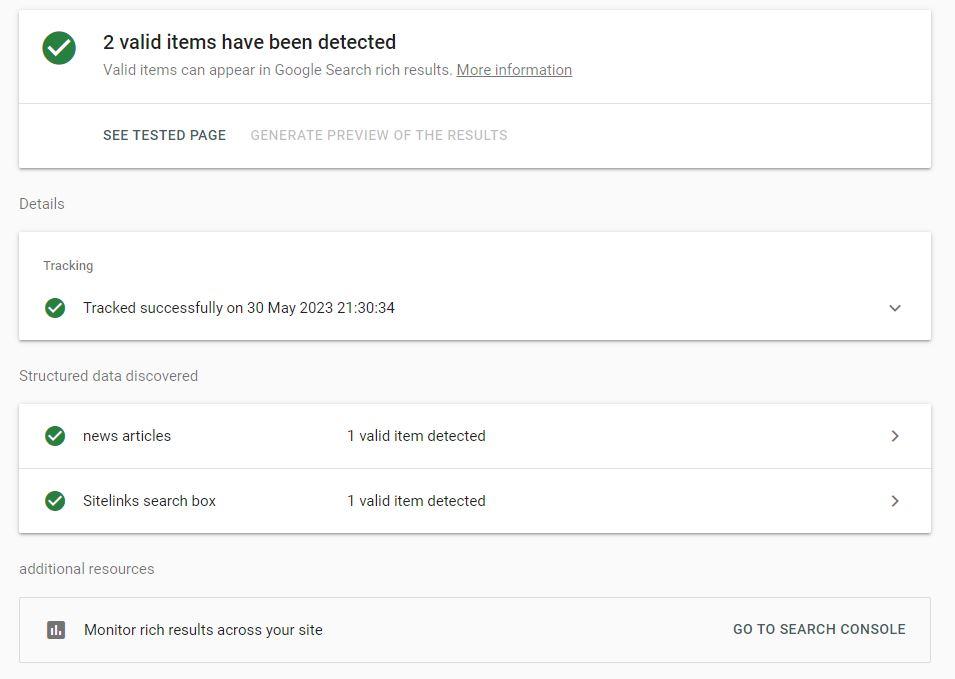
Rich snippets provide users with more context about the content before they click, which consistently delivers higher click-through rates. Use Google’s Rich Results Test to confirm your schema is rendering correctly after implementation.
11. Ensure your website is secure
Search engines are increasingly prioritising secure websites. This means using HTTPS and implementing security measures such as firewalls and malware scans.
Structured Data & AI Search Visibility
In 2026, how AI search engines find and cite your business has become a core part of any technical SEO strategy. Google AI Overviews, ChatGPT’s browsing feature, and Perplexity all rely on the same signals – structured data, clear site architecture, and fast accessible pages – to decide which sources to surface in their responses.
The highest-impact schema types for small businesses are:
- Organization – name, address, phone, logo, and social profiles, so AI engines can correctly attribute your brand
- LocalBusiness – NAP details, opening hours, and service area
- FAQPage – question-and-answer pairs that AI systems frequently pull verbatim into their responses
- Article / BlogPosting – authorship, publish date, and headline for editorial content, establishing freshness and authority
- Service – what you offer, geographic coverage, and pricing structure
Here is a minimal JSON-LD example you can add inside a <script type="application/ld+json"> tag in your page <head> (or paste into Rank Math’s Custom Schema field):
{
  "@context": "https://schema.org",
  "@type": "LocalBusiness",
  "name": "Your Business Name",
  "url": "https://www.yourdomain.co.uk",
  "telephone": "+44 20 1234 5678",
  "address": {
    "@type": "PostalAddress",
    "streetAddress": "123 High Street",
    "addressLocality": "London",
    "postalCode": "EC1A 1BB",
    "addressCountry": "GB"
  },
  "openingHoursSpecification": [
    {
      "@type": "OpeningHoursSpecification",
      "dayOfWeek": ["Monday","Tuesday","Wednesday","Thursday","Friday"],
      "opens": "09:00",
      "closes": "17:30"
    }
  ]
}
After adding schema, validate with Schema.org’s validator and Google’s Rich Results Test. For a full strategy on structuring your site for maximum AI visibility, read our dedicated guide: how to structure your website for AI search.
Essential Technical SEO Tools
Technical SEO can be complex, but several tools can help small businesses identify and fix issues efficiently:
- Screaming Frog: A powerful tool for conducting website audits, identifying broken links, and analysing site structure.
- Google Search Console: A free tool that helps monitor indexing status, search performance, and crawl issues.
- PageSpeed Insights: A tool by Google that analyses page speed and provides actionable recommendations – including Core Web Vitals scores – for improving load times.
- GTmetrix: A detailed performance analysis tool to help track and improve page speed and overall site performance.
- Google’s Rich Results Test: Validates your schema markup and confirms whether your pages are eligible for rich snippets in search results.
Using these tools regularly can help you stay on top of technical issues that could affect your search rankings. To make the most of them, work through our website audit checklist – it maps each check to the right tool and helps you prioritise what to fix first.
Read also:
Conclusion
By prioritising these technical SEO updates, small businesses can significantly boost online visibility, engage visitors more effectively, and outperform local competitors. In 2026, a strong technical foundation covers not just crawlability and speed, but structured data that bridges the gap between your site and AI-powered search experiences.
Regular technical audits, backed by the latest SEO trends, will keep your website future-proof and search-friendly. Start with our website audit checklist to prioritise the changes that will have the biggest impact, and partner with a reputable technical SEO agency if you need guidance for more complex situations.
How Agile can help

Our commitment to excellence is showed by our recognition as a top Technical SEO agency in the United Kingdom for 2026.
Partner with us today, and, together, we can help you achieve greatness and secure a prominent position at the top of search engine rankings.
Frequently Asked Questions
Do I need a developer to handle technical SEO, or can I do it myself?
Many technical SEO tasks are manageable without a developer, especially on WordPress. Tools like Rank Math and Yoast handle sitemaps, schema markup, and canonical tags through a user-friendly interface, and Google Search Console lets you spot and fix indexing issues for free. More complex tasks – Core Web Vitals optimisation, JavaScript rendering issues, or server configuration – typically need a developer or a specialist agency. A good starting point is to run through a website audit checklist to identify which issues you can tackle yourself and which require expert help.
How do Core Web Vitals affect my website’s ranking on Google?
Core Web Vitals are a confirmed Google ranking factor, part of the page experience signal. Google measures three metrics: LCP (loading speed, target ≤2.5s), INP (interactivity, target ≤200ms – this replaced First Input Delay in March 2024), and CLS (visual stability, target ≤0.1). Pages that pass all three thresholds are eligible for a ranking boost over comparable pages that do not. You can check your scores in Google Search Console under Core Web Vitals, or with PageSpeed Insights. Our Core Web Vitals guide explains exactly what drives each metric and how to fix common issues.
What is schema markup and does my small business really need it?
Schema markup is structured data code (typically JSON-LD) added to your website so search engines and AI assistants understand your content precisely – not just the words, but what they mean. For a small business, it means Google can show your opening hours, star ratings, and services directly in search results, and AI engines like ChatGPT and Perplexity are more likely to cite you as a source. In 2026, with AI search growing rapidly, schema markup has moved from a nice-to-have to an essential. Rank Math Pro generates the most common schema types automatically, so you do not need to write any code.
Want to know exactly where your technical SEO stands?
Our SEO & AI Visibility Audit scores your site across 8 dimensions – Technical SEO, Core Web Vitals, structured data, AI visibility and more. You get a detailed report, a prioritised action plan, and an Excel file in a week.

Related
Articles